A currency exchange rate is a price: the amount of one currency needed to buy another. That price changes as banks, businesses, investors and governments respond to new information. Understanding the drivers of that repricing gives a more useful framework than trying to explain every move with a single headline.
Interest rates set the backdrop
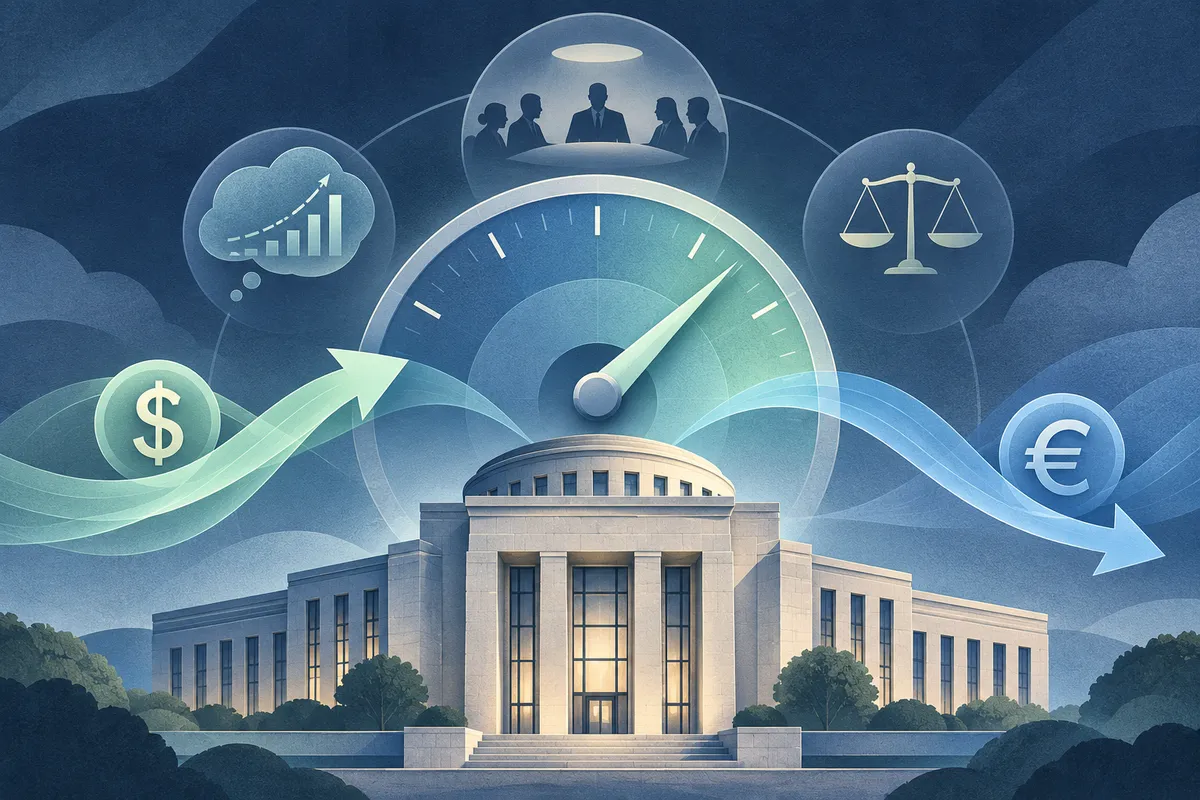
Central banks influence the return available on short-term deposits and government bills. When markets expect one central bank to keep rates higher than another, assets in that currency may become more attractive. The important word is expect: exchange rates often react to a change in the expected path of rates before a central bank actually changes its policy rate.
That is why a widely anticipated rate increase can coincide with a falling currency. Traders may have already priced in the decision, or the accompanying guidance may suggest that future policy will be less restrictive than expected. Compare policy expectations across both economies in a pair rather than looking at one country in isolation.
Inflation, growth and the policy response
Inflation reports, employment data, retail sales and business surveys help markets assess the health of an economy and the likely central-bank response. Stronger growth can support a currency if it raises expected returns. But if inflation is falling quickly, or growth is strong in a way that is already fully priced, the market reaction may be muted or even counterintuitive.
Each release is judged against a forecast, previous readings and the wider trend. A single surprising number matters most when it changes the outlook. Check the event, the comparison and the reaction across rates and currencies before drawing a conclusion.
Trade, commodities and capital flows
Companies exchange money to pay suppliers and repatriate revenue. Investors buy foreign bonds, shares and property. Commodity exporters may receive large inflows when the price of a key export rises; importers can face a larger foreign-currency bill. These flows operate alongside policy expectations and can matter particularly over longer horizons or for currencies closely tied to a specific commodity.
Risk appetite and safe-haven demand
When investors become more cautious, they may reduce exposure to higher-volatility assets and seek currencies or government bonds considered more liquid or defensive. In calmer markets, the pattern can reverse. “Risk-on” and “risk-off” are useful shorthand, but they do not predict the move by themselves: positioning, valuation and the cause of the risk event all affect the response.
Read the pair, not just one currency
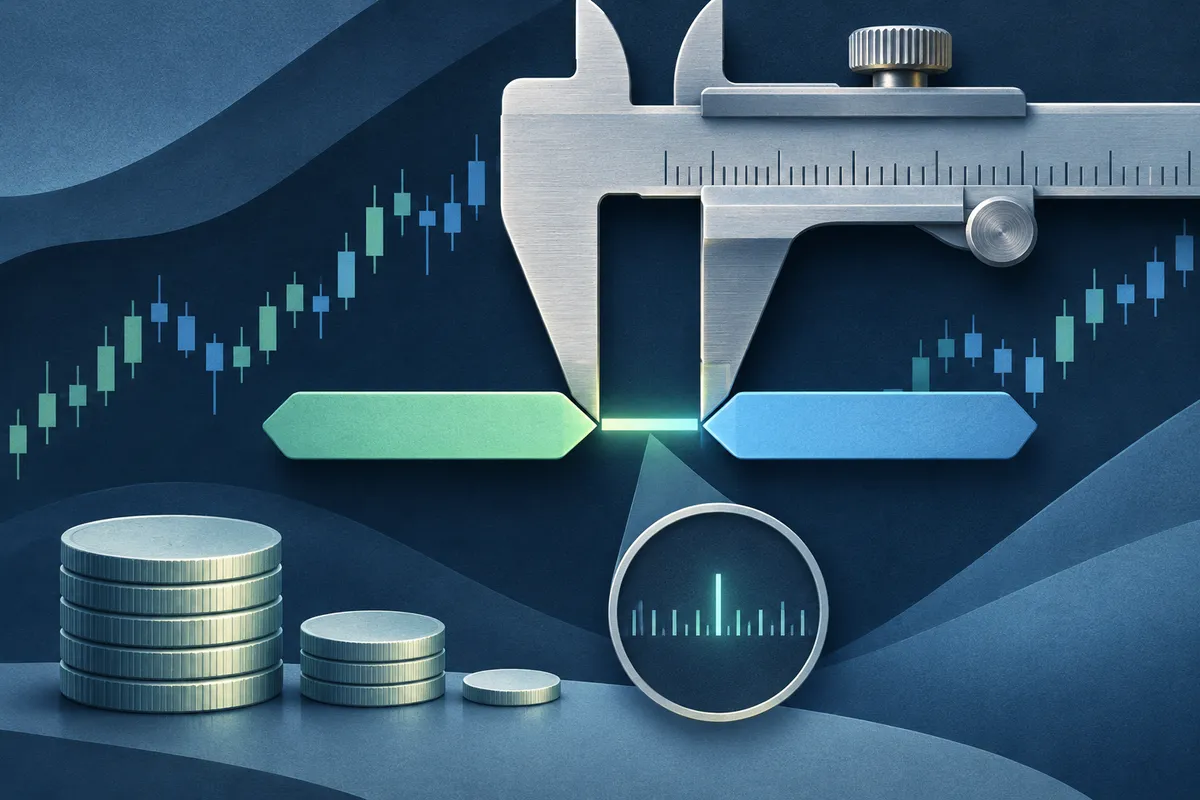
Every quote has two sides. If EUR/USD rises, the euro has strengthened relative to the US dollar; the move could reflect euro strength, dollar weakness, or both. Start with the rate and recent foreign exchange rates, then check the relevant currency pair chart to see whether the move is new or part of a longer trend.
No single indicator provides a complete explanation. A sound market read connects new information to expected policy, compares both sides of a pair and stays open to alternative explanations. Exchange rates can move sharply when expectations or liquidity change, and past patterns do not guarantee future results.