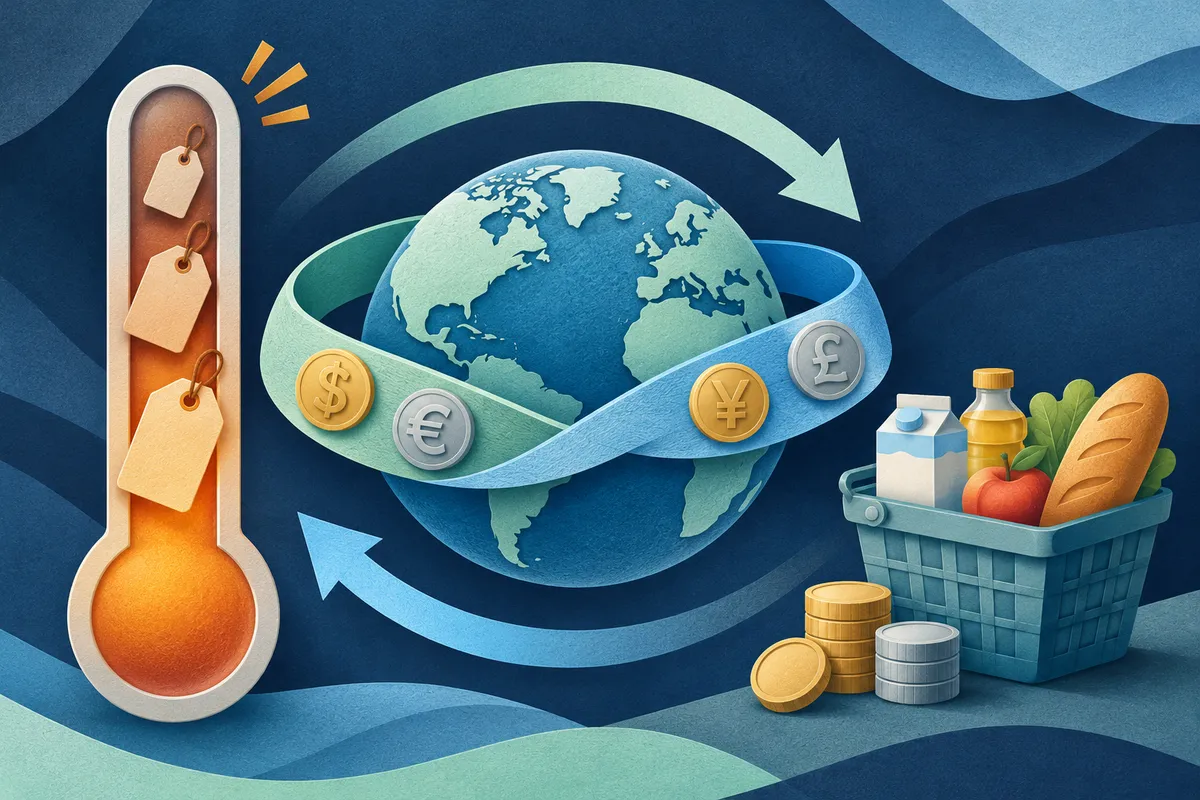
Inflation changes the purchasing power of money, while exchange rates change how much foreign currency one unit can buy. The two interact, but there is no simple rule that higher inflation immediately means a weaker currency. Expectations, policy responses and the other economy in the pair all matter.
Inflation can shift interest-rate expectations
If inflation is unexpectedly persistent, markets may expect a central bank to keep policy rates higher for longer. That can change the expected return on assets in that currency. If inflation falls faster than expected, the expected policy path may move in the other direction. Exchange rates can respond before the central bank changes its actual rate.
The surprise relative to expectations often matters more than the headline number alone. Markets also ask whether inflation is driven by domestic demand, wages, energy, food or imported goods, because those causes can have different implications for growth and policy.
Exchange rates feed into imported prices
A weaker currency makes foreign-currency imports more expensive in local currency if the foreign price does not change. Fuel, food, components and consumer goods can all be affected. The pass-through to shop prices is not automatic or complete: contracts, inventories, competition, local taxes and company margins can delay or absorb part of the change.
The BIS explains that exchange-rate pass-through depends on factors such as import composition, invoicing practices and how inflation expectations respond. These relationships differ across economies and over time.
Compare both sides of the pair
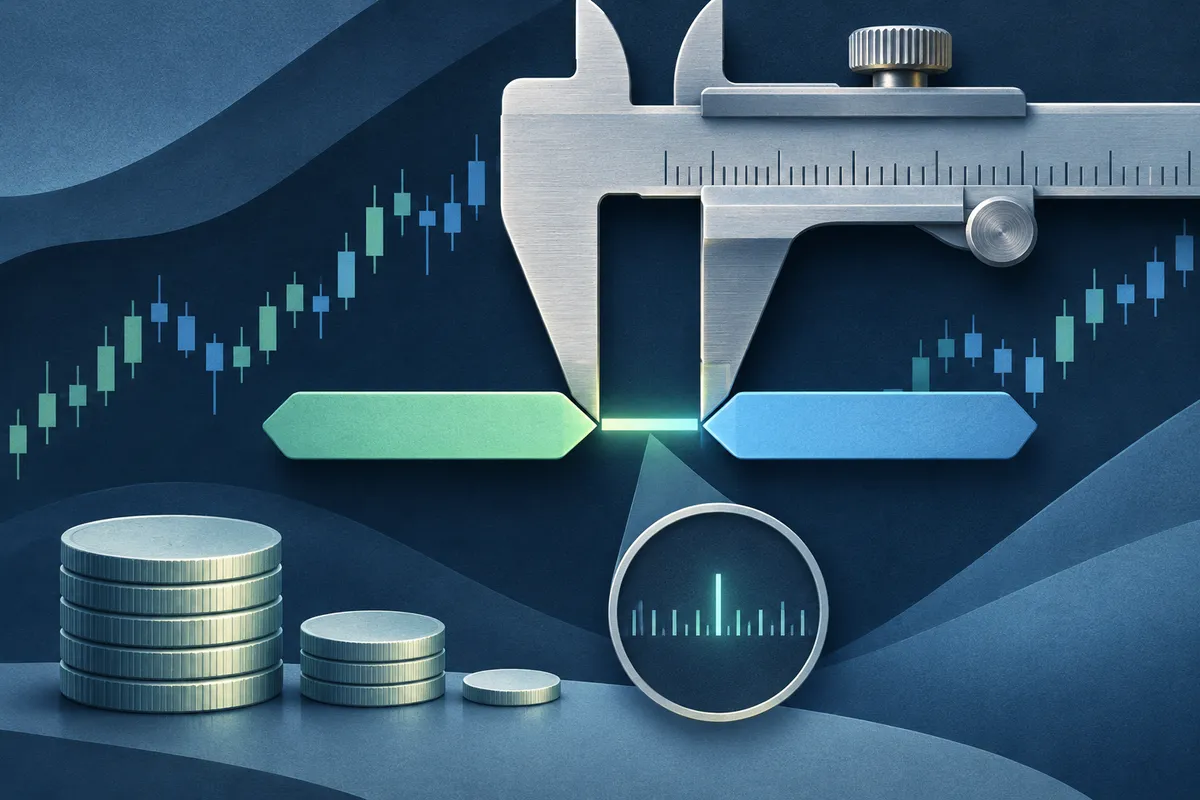
EUR/USD reflects the euro relative to the US dollar. If inflation expectations change in both regions, the pair’s direction depends on which outlook shifts more and what markets had already priced in. A currency can strengthen even when its own inflation is high if the other side of the pair looks weaker or policy expectations change differently.
Review the latest foreign exchange rates alongside the currency pair history to place a move in context. Prices and rates alone do not establish cause: compare the release with forecasts, central-bank communication and wider market conditions.
Inflation data can help explain currency repricing, but it is not a standalone exchange-rate forecast. Long-term purchasing power relationships can take a long time to adjust and may not describe short-term market moves.